How to Equalize Water Pressure for In-Home Plumbing
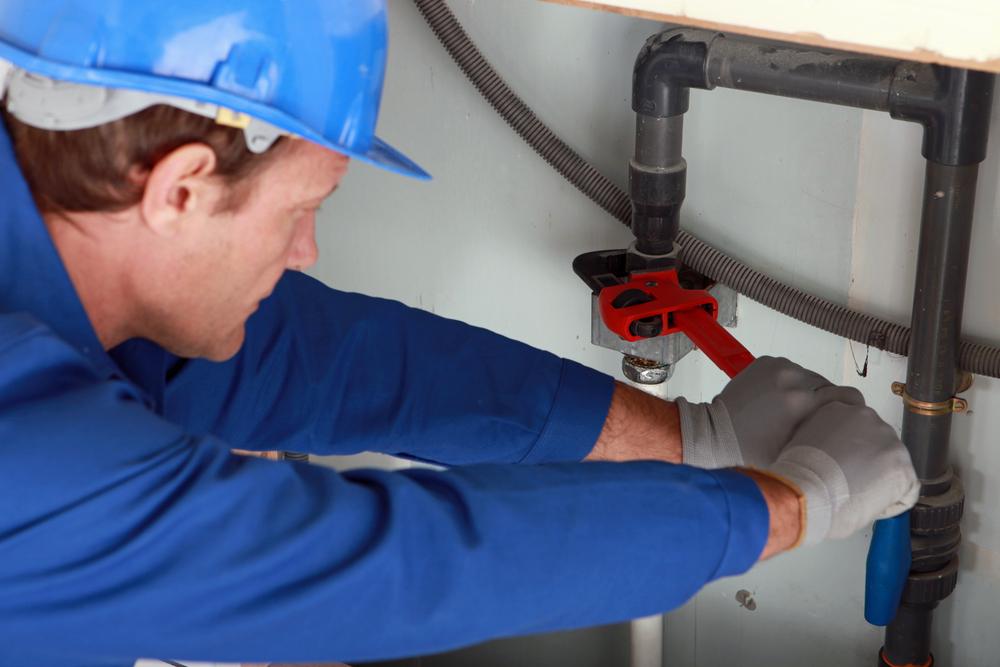
Many people do not consider the water pressure of a house as they weigh the pros and cons of purchasing that home. A shower simply is not as enjoyable when having to deal with low water pressure. If water pressure varies depending on what part of the house water is being accessed, there is a simple fix.
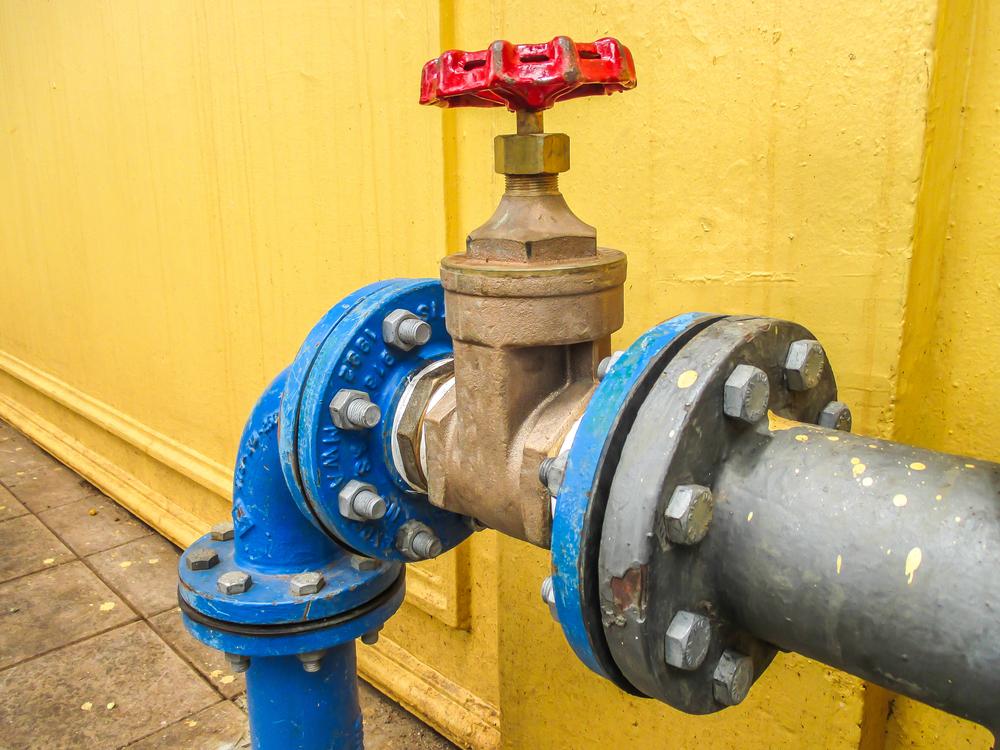
Stable water pressure is as simple as installing a valve on the incoming water pipe. The valve will function as a stabilizer, maintaining a constant level of water pressure throughout the house.
- Check with your local water utility company. Depending on where you live, there may be regulations regarding installing a pressure regulating valve in a residential dwelling. Regulations can vary, but they may include having to purchase a permit, or pass an inspection by a licensed plumber or municipality employee. Many people who skip over the permit or inspection process live to regret it at some future point. Follow whatever rules are appropriate.
- Examine the incoming water pipe. This will have to be done at the water meter housing, which is on the exterior of your home. Look for a small metal box adjacent to the street. You will need to purchase a valve that is specific to the size and type of pipes that come into your home. Take measurements, and pictures prior to purchasing the valve.
- Ensure that your home’s water heater is turned off before installing your pressure regulating valve. If you have an electric water heater, this can be accomplished by turning the breaker providing electricity to your heater to the “off” position. If you have a gas water heater, adjust the gas dial to the “pilot” setting.
- Ensure that the water supply to the house is shut off. Return to the metal box at the street, and close off the water by using the valve. Return to the interior of the house. Evacuate all of the water from the internal pipes by turning on every water faucet and hose connection inside and outside the house. Ensure that you do this with tubs, showers, washing machines, etc. There should be no water remaining in the pipes before proceeding. Once this is complete, shut off all of the faucets.
- Return to the metal box at the street. Apply plumber’s tape around the exposed threads to ensure no leaks as you install the pressure regulator. Ensure that you tighten the valve firmly by hand, and then tighten with a wrench. Any leaks will cause your water bill to skyrocket, so use care when executing this step.
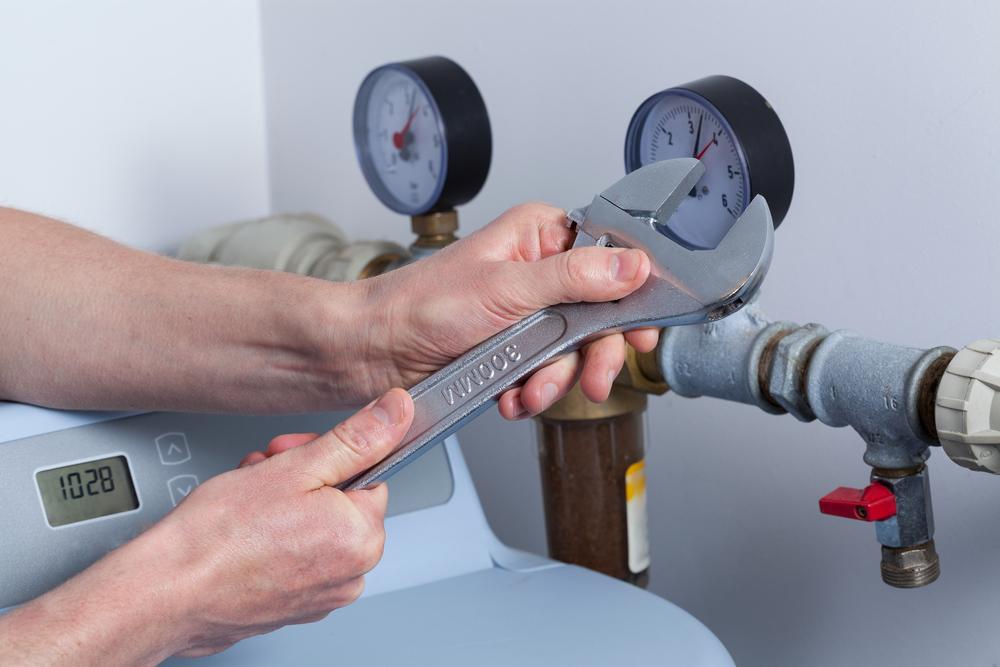
- Apply plumber’s tape around the exposed threads that reside between the pressure gauge and the water pressure regulator. Install the gauge ensuring that the flow direction runs from the meter, towards the house. Tighten by hand, and then use your wrench. On the other side of the gauge, connect the water supply pipe.
- Turn on the water at the street. Read the pressure gauge. The goal is for pressure to stay between 50 and 70 pounds per square inch. Pressure above 70 pounds per square inch could cause damage to your home’s plumbing system. Adjust the pressure until the gauge has the appropriate reading.
- Restore power to the hot water heater. Test the internal hot water pressure with use, and adjust according to preference.