A Guide to Interior Doors: Styles, Materials, and Design Tips
Interior doors play an important role in your home’s functionality and design. These elements aren’t mere space dividers closing off a space. They provide privacy, define foot traffic between rooms, and contribute to your home’s ambiance and aesthetics. Moreover, interior doors block out the noise from other parts of your home, support better airflow, and let in natural light.
The first records of internal doors go back to the ancient Egyptian tombs. Ancient Greek and Roman ruins also show evidence of the popularity of interior door use. This popularity was not only due to their functionality but also due to varied styles as well. Today, interior doors are a standard feature in every interior layout and are valued almost for the same reasons as thousands of years ago.
In modern homes, interior doors serve as integral design elements that contribute to the comfort of everyday life. Finding the right door greatly impacts the feel and flow of your dwelling. That’s why we’ve crafted a comprehensive guide on interior doors, covering their types, maintenance and installation tips, and how to choose the perfect one for your space.
Types of Interior Doors
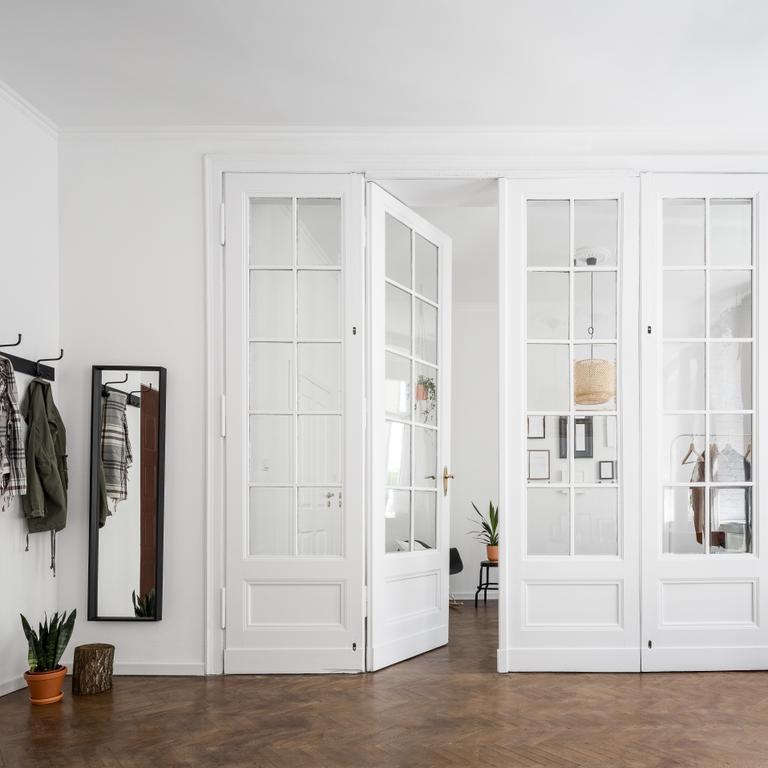
Panel Doors
One of the most common interior doors is usually made of two to eight square or rectangular panels set within a frame. These versatile doors are available in several styles, including raised panel, recessed, and flat panels. Panel doors can be made from various materials, from wood and glass to MDF. Adding timeless, traditional charm to the space, they are suitable for dining rooms and bedrooms. Panel doors are more expensive than others.
Flush Doors
Flush doors are praised for their sleek and minimalist style. These doors have a completely smooth surface on both sides. They are available in various wood species with either a solid or a hollow core. Flush doors are easy to clean, as smooth surfaces can be easily wiped down. They are budget-friendly and best used for modern homes, utility areas, and closets. May not provide full sound insulation.
French Doors
French doors symbolize elegance and timelessness, featuring glass panels from the top to the bottom of the door. They let natural light in, creating an open and airy ambiance within your home. French doors are perfectly suited for a home office, a living room, or a dining room, offering a visual separation and connection at the same time. French doors also work well in exterior spaces like balconies or patios. They require more maintenance and offer less privacy.
Barn & Sliding Doors
These types of doors are ideal for modern home interiors. They glide on tracks, maximizing natural light and space. Sliding doors are especially suitable for small rooms, as they don’t require an area to swing open. Barn doors also slide on a track above the door frame and are typically made of wood. They are extremely popular thanks to the rustic charm and customizable size. These doors have limited soundproofing and privacy improvement.
Pocket Doors
A pocket door slides directly into a wall cavity when opened. It features glass panels creating visual continuity between rooms. This door is typically used to maximize space in smaller homes. The door is suitable for small bathrooms, closets, pantries, or laundry rooms. The pocket door is also an excellent solution for open-plan living spaces. The installation of the pocket door can be complicated, and the maintenance may require wall access.
Materials Used for Interior Doors
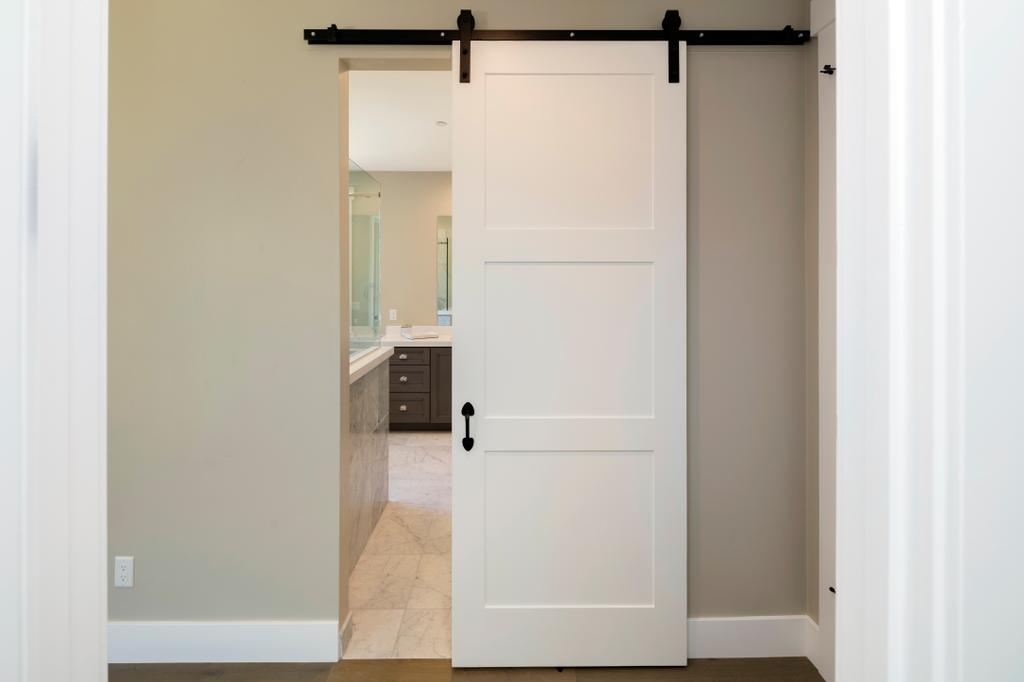
Solid Wood Doors
One of the best interior doors, these doors are renowned for their resilience and aesthetic appeal. Solid wood doors are crafted from various sorts of wood, like cherry, oak, mahogany, and maple. They offer superior insulation against cold, heat, and noise, helping to keep your indoor environment quiet and comfortable. Additionally, the natural beauty of wood adds warmth and character to any space.
Hollow Core Doors
Hollow core doors are constructed with a lightweight frame and a honeycombed interior core made of plastic or cardboard. On the outside, these doors are covered with a veneer or composite material, resembling solid wood doors. Hollow core doors are inexpensive and easy to install. They aren't designed for harsh environmental conditions and are best suited for interior applications. Hollow core doors offer limited insulation and soundproofing.
MDF & Composite Doors
Composite doors are made of synthetic materials molded together and covered with a layer of glass-reinforced polymer. MDF is manufactured from recycled and recovered wood fiber as an affordable alternative to natural wood. The smooth surface of these doors allows for customizable finishes. Plus, both types of doors are highly durable over time, showing strong resistance to cracking and warping.
Glass Doors
Internal glass doors are popular for their aesthetic appeal, enhancing the ambiance and style of your space. Coming in various door styles and designs, they let natural light in and create a sense of happiness. They are also easy to clean and maintain, a perfect option for a busy household. However, glass doors don’t provide the same level of privacy and sound insulation as solid wood.
Choosing the Right Interior Door for Your Home
When it comes to selecting the right internal doors for your home, it’s important to be practical. There are endless types, colors, and styles of modern interior doors, and here’s what you need to consider to make a smart choice.
Different internal doors suit different rooms and functions. So, when choosing internal doors for your home areas that are exposed to moisture and steam, such as the kitchen and bathroom, you should select highly durable door materials, including fiberglass or frosted glass. Likewise, if your room has a small space, flush or sliding doors are excellent space-saving options.
Besides functionality, you should also consider your door’s appearance, as it’s one of the most impactful design elements in your interior. Ensure your chosen door harmonizes with the overall aesthetics of your space. For example, modern interiors work best with minimalistic doors, and classic-style rooms feature traditional and elegant finishes.
Last but not least, establish your budget. Internal doors come in various prices, so defining your budget will result in more successful decision-making. It will narrow down your options and help you choose the door that aligns with your budget.
Design and Style Trends in Interior Doors
Interior doors are key elements in shaping the character of your home. From timeless classics to modern designs, the interior door ideas are extensive and diverse.
Minimalistic styles. Modern minimalist designs lean toward simplicity, and doors are no exception. Minimalistic and sleek doors with smooth surfaces and flat panels have become popular, contributing to contemporary uncluttered space layouts.
Rustic designs. Another sought-after trend in modern interior design is barn doors. Made from wood or sleek metal, these doors have transformed their rural origins into a rustic and distinctive design element.
Contemporary spaciousness. Open-concept plans never go out of style, and glass doors are their irreplaceable elements. Whether a French glass door or a contemporary sliding door, these doors embrace a spacious and airy feel. They allow natural light to flow into the house without sacrificing privacy.
Bold colors and finishes. Modern interior designs are often accomplished with vibrant and bold-colored doors. Rich greens, deep blues, and even bold reds are often used to add a statement and personality to the home ambiance.
Sustainable materials. As homeowners become more environmentally conscious, eco-friendly doors are taking center stage. There are various possibilities, from recycled wooden and bamboo doors to upcycled metal and recycled plastic doors, each contributing to a greener future.
Installation and Maintenance Tips
Interior door installation is a task that many homeowners choose to do themselves. Here are some tips to install an interior door step-by-step on your own.
- Measure and choose your door. Measure the existing door frame and current door dimensions.
- Prepare the door. If necessary, trim it with a circular saw to make a perfect fit.
- Attach the hinges to the door and align the door within the frame.
- Hang the door. Lift the door and place it in the open frame.
- Install the handle after marking the desired position.
- Add finishing touches like paint or a peephole.
To ensure your interior doors remain long-lasting, functional, and secure, let’s learn some maintenance tips.
- Inspect your doors regularly. Every couple of months, check your doors for damage, gaps, or drafts.
- Keep the doors clean. Always clean dust and dirt from your door to avoid potential damage.
- Lubricate hinges. A few drops of a lubricant or a silicon spray can help you avoid squeaking.
- Tighten hardware and fix misalignments. Regular adjustments, like tightening screws, help your door operate smoothly.
Enhancing Your Home with the Right Interior Doors
One of the hardest-working elements of your home is the interior doors. Defining and dividing spaces, they shape the way we live and create comfort. Beyond providing privacy, soundproofing, temperature control, and space optimization, these doors contribute to the overall appearance of the space.
These crucial design elements can complement your existing style or become a bold statement piece. From panel to pocket doors, it’s important to find the door that fits your needs and budget. Pay attention to the right material door that can handle your home traffic. Additionally, consider proper installation and maintenance as a foundation for your interior door’s longevity.