How to Safely Tell If a Wire Is Live
You finally decide to replace the dead wire in the living room, and as you open the cover, a loose wire hangs out. Is it live or ground? What if you make a mistake? You suddenly feel panic creeping in.
We are quite used to electricity - it is natural and common in our daily lives, but working with it may not be. According to reports by the National Institutes of Health, approximately 30,000 people are injured by electrical incidents each year. Ensuring safety and taking simple precautions can reduce the risks of accidents and injuries to you and those around you.
So, how do you tell if a wire is live? Check out our article to understand what live wires are, how to handle them safely, and how to determine whether a wire is live.
What Does It Mean When a Wire Is ‘Live’?
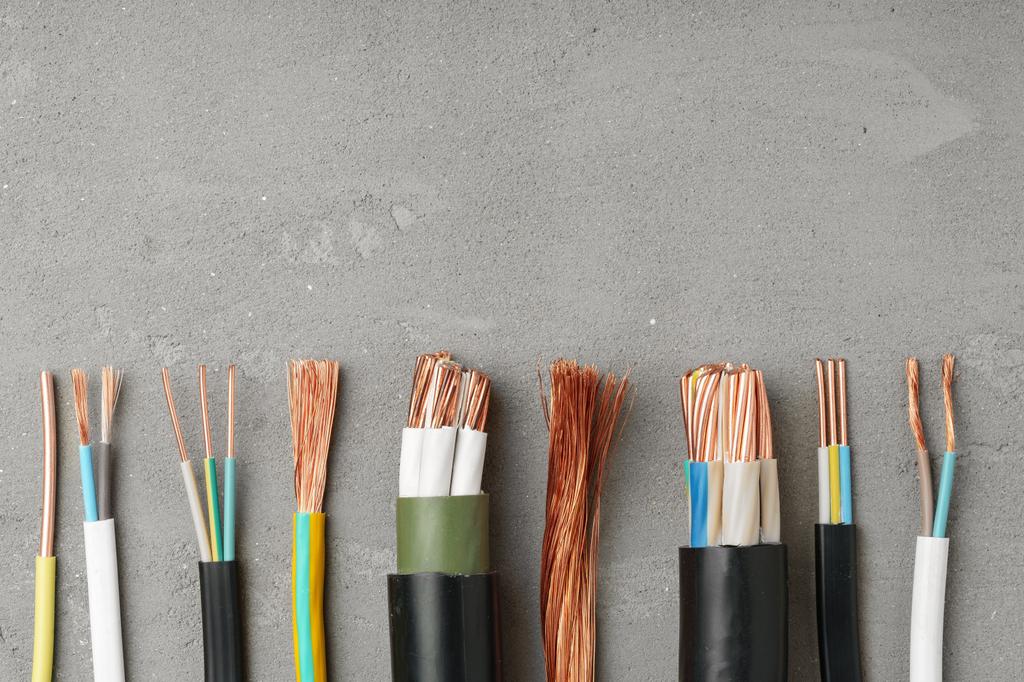
A live or hot wire provides electrical current from a power source in the form of oscillating voltage and, in some cases, can cause electrical shock. Live wires power electrical demand at various locations across your home, including electrical outlets, light switches, or junction boxes. A live wire is usually colored red, black, or brown, indicating that it carries current.
Neutral wires return the electrical current to the power source, completing the circuit. When power is used at the demand point, the neutral wire carries it back to the panel. This wire carries an electrical current as long as it serves as a return source. However, it’s better to assume it carries a charge at all times for safety reasons. Neutral wires are color-coded white.
The ground wire doesn’t normally provide any charge. It’s used in cases of short circuits or damaged wiring insulation, to ground unstable current, and to protect your electrical system. This wire is grounded, providing extra protection and reducing the risk of electrical shock. You’ll find the ground wire in green or sometimes bare.
Play it safe if you doubt: assume a wire is live until proven otherwise.
Why You Might Need to Check If a Wire Is Live
Every DIY home improvement project might seem exciting until you meet wires peering out from behind your walls. Working with electrical wiring is extremely dangerous and requires appropriate precautions. Here are a few situations where knowing how to tell if a wire is live really matters.
- Installing or replacing electrical outlets. Recognizing live wires when changing or installing new outlets is necessary to avoid potential hazards and ensure their safe use.
- Installing or replacing light fixtures. Having new lighting in your home goes beyond aesthetics. Incorrect wiring can cause power outages, flickering lights, and fire risks.
- Renovating homes with uncertain wiring. Over time, wires become damaged and need to be replaced. Working with old electrical systems can be dangerous; in-depth knowledge is necessary.
- Troubleshooting electrical issues. From serious safety hazards to minor annoyances, fixing electrical problems carries risks. It’s better to be equipped with the right knowledge and tools.
Identifying live wires is the foundation of every DIY electrical project. Knowing how to differentiate them prevents injuries and ensures safety for both you and your home. Now, let’s learn how to check if a wire has power.
Safety First — Precautions Before Testing a Wire
Following these safety precautions will keep you safe while working with electricity.
- Power off. Shut off the power at the breaker before you start. For extra safety, put a sign on the panel so nobody turns it back on while you’re in the middle of things.
- Insulated tools. Insulated tools are non-negotiable when working on anything electrical. These tools prevent high voltage from passing straight to your hands.
- Protect your hands. Always wear insulated rubber gloves designed to protect against electrical hazards. Certified electrical insulating gloves serve as a barrier between electrical wires and your hands.
- Stay dry. Water is a perfect conductor, so it’s super important not to mix it with live wires. Always keep your hands and workspace dry when working with any electrical equipment.
Make sure you have the following tools ready before starting:
- Digital multimeter.
- Non-contact live wire tester.
- Insulated gloves.
There’s always a risk when handling electrical wires, so if you’re not completely sure what you’re doing, it’s best to call an experienced and qualified electrician.
How to Tell If a Wire Is Live — Step-by-Step Methods
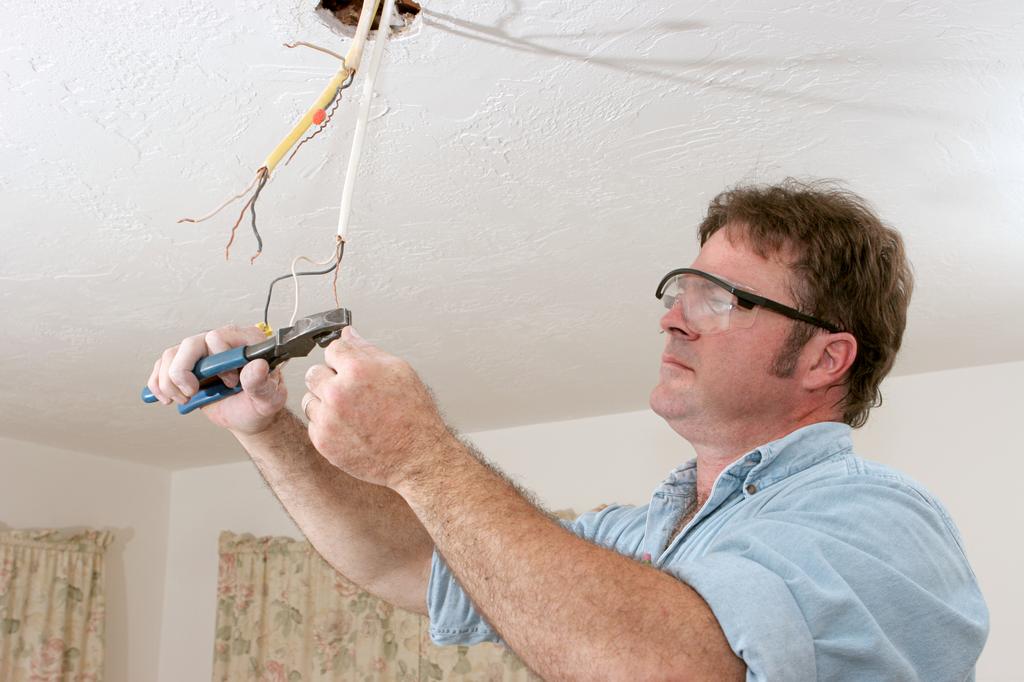
Here’s how to test if a wire is live.
1. Using a Non-Contact Voltage Tester
A non-contact voltage tester offers a safe, easy way to check a wire. This modern tool detects voltage without direct contact with the wire.
- Turn on the instrument and hold it near the wire you want to check.
- If the red light appears and the tester beeps, the wire is live.
- If there’s a green light, no light, or a continuous light (depending on the model), and no beep, no voltage is present.
The non-contact voltage tester is the safest method for non-professionals to test a wire. For simple home use, you can choose testers that measure up to 230 V AC.
2. Using a Multimeter
A multimeter is a versatile tool designed to troubleshoot and test electrical circuits. Digital multimeters are the most common type, thanks to their precise measurements and ease of use. This is how it works.
- Setting up the multimeter. Since the device supports different parameters, you need to set up the voltage measurement. Select the section marked with V.
- Inserting the probes. The multimeter comes with two probes, red and black, used to connect to a circuit for testing. Place the red probe into the “V” port and the black one into the “COM” port.
- Checking the wire. Touch the red probe to the assumed live wire and the black probe to the ground. If the wire is live, you’ll see the voltage on the multimeter display.
Safety reminder: Keep your fingers away from the metal probe tips while testing!
3. Using a Plug-In Tester
A plug-in tester is designed to assess the wiring and functionality of outlets. It plugs directly into the outlet and indicates the feedback through lights.
- Plug in the tester, ensuring it’s fully inserted into the outlet to get accurate results.
- Observe the lights on the tester’s display and interpret the result according to its diagram.
A plug-in tester is straightforward and accessible for anyone who wants to make sure their outlets are correctly grounded and wired. Basic outlet testers use different light combinations to show various conditions.
Safety reminder: Never check an outlet by touching wires or using inappropriate tools!
How to Identify a Live Wire Without Tools
How to tell if a wire is live when no tools are at hand? Here are some signs that might help you.
- Unusual noises: Some live wires might have a humming or buzzing sound, particularly when they’re near other electrical equipment, or there’s a fault.
- Abnormal heating: Live wires may feel warm or even hot to the touch; however, touching them isn’t recommended.
- Sparks: Exposed live wires spark when they contact other wires or conductive materials.
- Burning smells: When wires are shorted or overloaded, they can emit a burnt odor.
- Visual signs: As a result of electrical faults, the wires may become charred or melted.
Safety reminder: Note that these signs shouldn’t replace proper electrical wire testing methods. And always follow live wire safety measures when working with them. If you’re uncertain about a wire, always assume it’s live.
Common Mistakes to Avoid When Checking for Live Wires
Mistakes in electrical wiring can lead to severe consequences and electrical emergencies. Here’s what you shouldn’t do.
- Failing to turn off the power. This is one of the most critical steps when working with electricity, as it protects you from extremely dangerous, even deadly, situations.
- Not using proper tools and equipment. Always make sure to use insulated tools and wear proper protective gear to avoid injuries and accidents.
- Assuming color codes are universal. Color codes may vary by region or application. Plus, the colors of older buildings may not meet modern standards.
- Not seeking professional help when necessary. If you don’t have the proper skills and knowledge, it’s best not to mess around with electricity; call a professional.
- Multitasking when measuring. Multitasking can cause accidents, increasing the risk of contact. Always follow the safety rule "one hand."
- Using damaged testing tools. Always test your tester before checking the wire, as a damaged tool can expose you directly to live voltage.
When to Call a Licensed Electrician
Home DIY can be empowering, but as mentioned earlier, it can get complicated when dealing with electricity. Improper handling can lead to serious safety hazards. A professional should handle anything beyond the basic maintenance. Call a licensed electrician in the following cases:
- The circuit breaker trips frequently.
- Burning smells or flickering lights.
- New wiring or major electrical upgrades.
So, hiring a professional will minimize the risks of accidents and save you time. Due to their extensive knowledge and experience working with complex systems, a licensed electrician can quickly identify and resolve issues.
A professional also ensures their work complies with local and national electrical codes, keeping your house safe and preventing costly code violations. In addition, licensed electricians are insured, protecting you from liability in case of accidents. Even the most skillful DIYers can make a mistake.
Safety over Speed
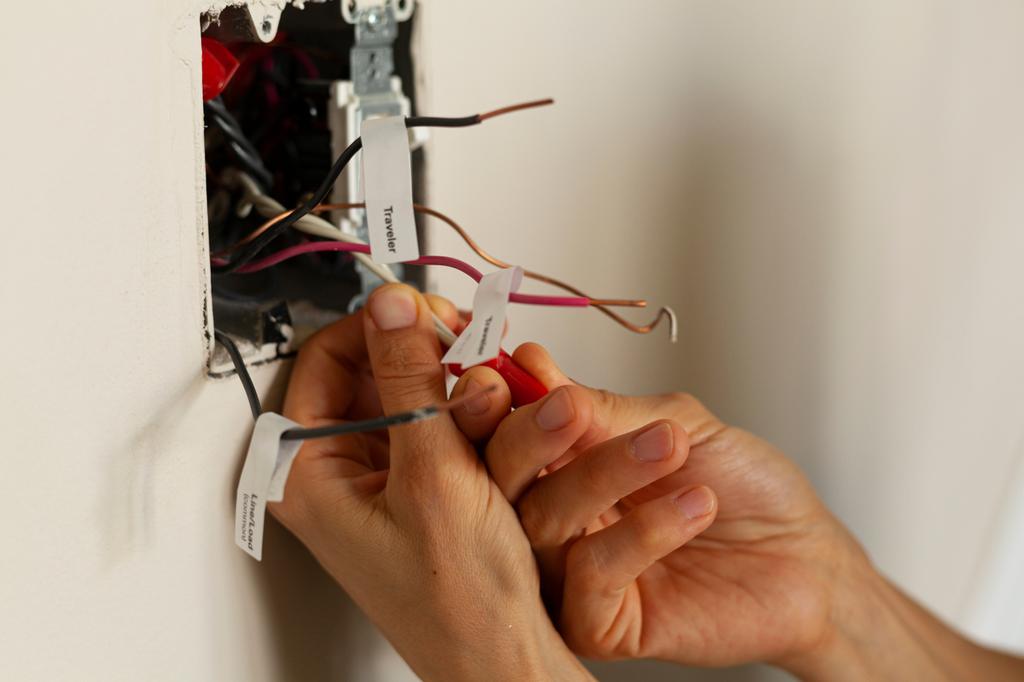
How to tell if a wire is live? Electrical wires must be taken seriously. A live wire carries electrical current from the main power source and can cause electrical shock if handled improperly. Several tools can help you safely identify live wires: a non-contact voltage tester, a multimeter, and a plug-in tester.
Visual signs such as abnormal heating, sparks, or burning smells can also indicate that a wire is live. To avoid severe consequences, follow standard precautions and avoid common mistakes. A professional should handle anything beyond the basic maintenance. And remember, never assume a wire is safe without testing.