Heating and Cooling 101: What Homeowners Need to Know
Whether it's winter or summer, every home needs a way to stay warm or cool. That’s where heating, ventilation, and air conditioning systems come in. Without reliable heating and cooling, severe weather conditions can make a house unbearable and even dangerous, especially for children, the older generation, or individuals with health issues.
Not every system is the same, though. The most effective option depends on where you live, like harsh winters in the north versus hot summers in the south; your home's size, and the type of technology you have in place. Some homes depend on furnaces and central air, while others may use heat pumps or ductless mini-splits.
Getting it installed correctly makes a huge difference. An expert understands how to properly size the system, seal everything up, and ensure it operates efficiently. Skipping this step can lead to inconsistent temperatures, higher bills, and headaches down the road.
What Is an HVAC System?
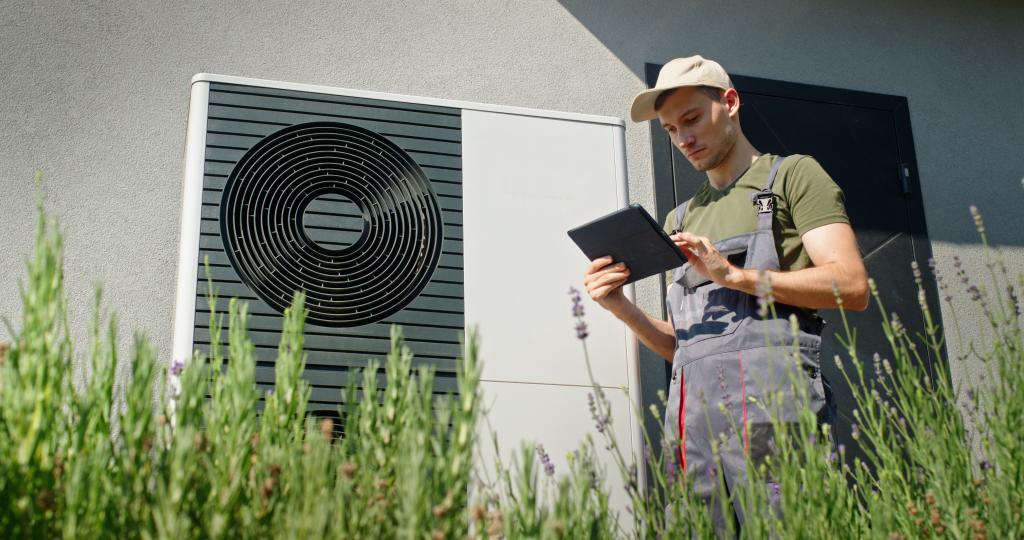
An HVAC system is the complete setup that manages the temperature and airflow within your home. The “H” stands for heating, the “V” stands for ventilation, the “AC” stands for air conditioning or cooling, and sometimes an “R” is included for refrigeration.
In the majority of households, you’ll have a furnace or heat pump for warmth, an air conditioner or the same heat pump to offer cooling, ducts to channel the air, vents in every room, and a thermostat to oversee it all. There are also filters to purify the air and fans to ensure circulation.
Why Heating and Cooling Matter for Home Comfort
Comfort all year round
An effective system ensures your home stays warm in winter and pleasantly cool in summer, allowing you to relax, sleep better, and enjoy your space no matter the weather outside.
Safety first
Extreme heat or cold can pose risks. Reliable heating and cooling systems help avoid dangerous temperature swings inside.
Lower energy bills
When your system runs efficiently, you avoid unnecessary costs, as modern setups consume less energy while delivering the same or even better performance.
Better indoor air quality
Modern systems feature improved filters that capture dust, pollen, pet dander, and other contaminants, making the air cleaner to breathe.
Types of Heating and Cooling Systems
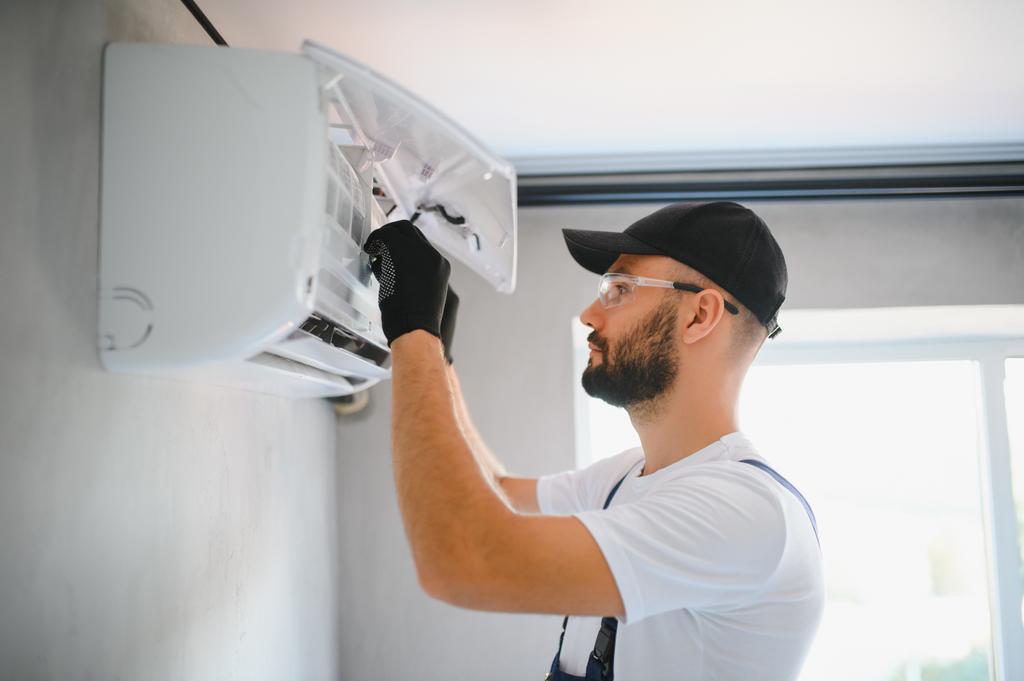
When it comes to heating and cooling your house, there's not a single solution that fits everyone’s needs. Many systems perform better depending on your location, climate, budget, home layout, and energy choices. Today's alternatives are more efficient and reliable than ever, allowing you to find a solution that keeps you comfortable without incurring high costs.
Home Heating Systems
Furnaces (gas or electric)
Very common and heat homes quickly. Gas models are usually cheaper to run in cold climates, but need a gas line. Electric ones work anywhere and are safer (no flames), but they can cost more in really cold areas. Great for larger homes with ducts and for furnace installation when you need reliable warmth.
Heat pumps
Super-efficient and popular now—they pull heat from outdoor air and move it inside (and reverse the process for cooling in summer)—they lower running costs and are ideal for mild-to-moderate climates. In very cold regions, they may need backup heating.
Boilers
Heat water and send it through radiators or in-floor pipes for steady, even warmth. Quiet and comfortable, but installation is often more expensive, and they’re less common in newer builds.
Home Cooling Systems
Central air conditioning is the ideal option for whole-house cooling. It uses ductwork to distribute cold air throughout the space at once and is relatively quiet indoors. The upfront cost is the highest, usually ranging from $5,000 to $12,000 for installation, but it’s energy-efficient and adds real resale value. It is best suited for larger homes with existing ductwork.
Ductless mini-splits are the flexible middle ground. They do not require ductwork; instead, install sleek indoor units on the wall that connect to an outdoor unit. Mini splits are energy-efficient (you only cool the spaces you occupy), quieter than most alternatives, with installation costs ranging from $2,000 to $10,500. They are ideal for older homes without ducts and additions.
Window units are great for those on a budget. A quality unit ranges from $150 to $600, connects directly to a wall outlet, and quickly cools a single room. While they tend to be louder and less energy-efficient than other options, they are unmatched when you need to save one bedroom or apartment from summer misery.
Energy Efficiency and Cost Considerations
Choosing an effective HVAC system isn’t only about comfort—it’s also about your wallet and the environment. A high-efficiency HVAC model can reduce your monthly electric or gas expenses by 20–50% compared to an older, outdated system, maintain steady temperatures, and lower your carbon footprint. Although more advanced systems require a higher initial investment, most people recoup the difference through lower utility bills.
What drives the price? The complexity of the installation (new ductwork can be pricey), the type of energy used (electric heat pumps vs gas furnaces), and the efficiency ratings—higher SEER (for cooling) or AFUE (for heating) numbers mean you pay more now to pay less later.
Energy-Saving Features to Look For
- SEER rating: Higher number = cooler house, happier bill,
- ENERGY STAR label: Government stamp that indicates the product is truly efficient.
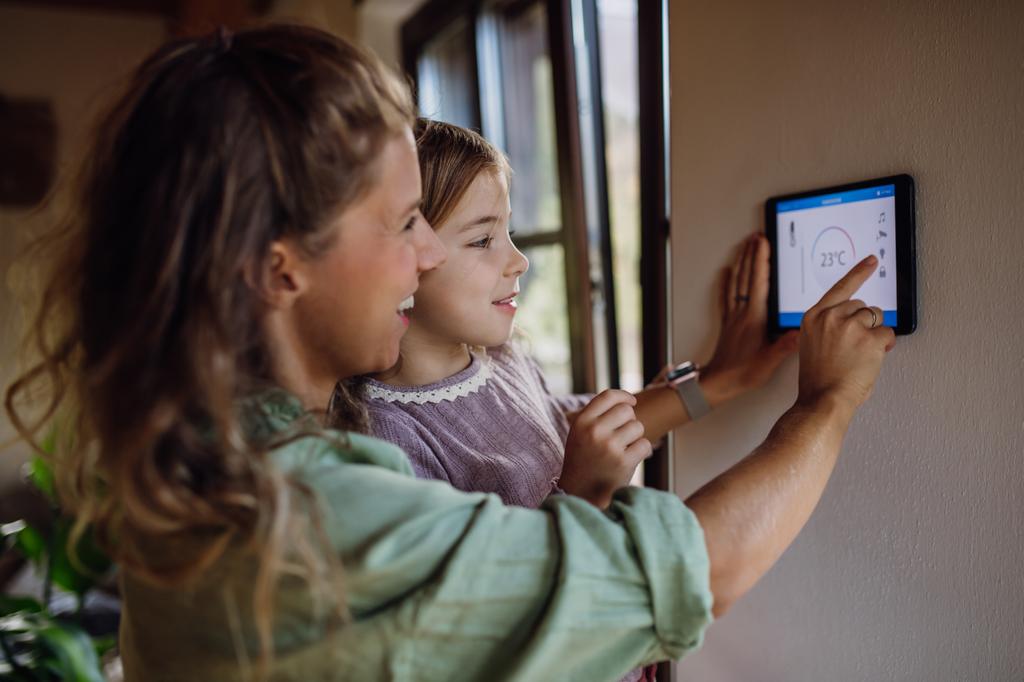
- Smart thermostats: These let you set schedules, adapt to your routines, and manage everything from your smartphone. People usually save 8–15% by avoiding cooling an empty home.
- Zoning: Provides separate controls for different areas so you are not wasting energy on the guest room nobody uses.
Factors That Affect Heating and Cooling Costs
- Home size: Bigger house = more air to heat or cool.
- Insulation and sealing: Drafty windows or inadequate attic insulation allow money to escape more quickly than cold air does.
- Climate: Extreme temperatures, such as 110°F in summer or -10°F in winter, make systems work harder than in milder coastal regions.
- Maintenance habits: Regularly replace filters and schedule yearly check-ups to maintain high efficiency.
- System age: Systems older than 10–15 years often become inefficient, leading to energy waste.
Common Home Heating and Cooling Problems & How to Spot Them
- Thermostat issues – Are certain rooms too warm or too cold? The thermostat might be in a bad spot (sunlight or drafts) or just dying. Try fresh batteries or moving it first. If your unit starts blowing warm air instead of cold, it’s time to schedule air conditioning repair with a certified technician.
- Refrigerant leaks – Weak cooling plus a hissing sound means you’re low on refrigerant. This requires a professional's attention—never try to refill it yourself.
- Clogged filters – The number-one cause of poor air circulation and higher bills. Replace them every 1–3 months; it takes two minutes and saves a fortune.
- Short cycling – The system frequently switches on and off in short intervals. This usually stems from a dirty filter, an oversized unit, or sensor issues. Begin by checking the filter; contact a technician if the problem persists.
For most minor issues, like filter changes or thermostat resets, you can handle them yourself. Anything involving refrigerant, wiring, or weird noises? Call a contractor before it turns into a five-figure disaster.
Warning Signs You Shouldn’t Ignore
- Burning smells or smoke (electrical fire risk)
- Loud banging, grinding, or screeching (something inside is breaking)
- Water pooling around the furnace or indoor unit (could flood your house)
- Hot or cold spots that persist despite adjusting the thermostat settings
Choosing the Right HVAC Contractor
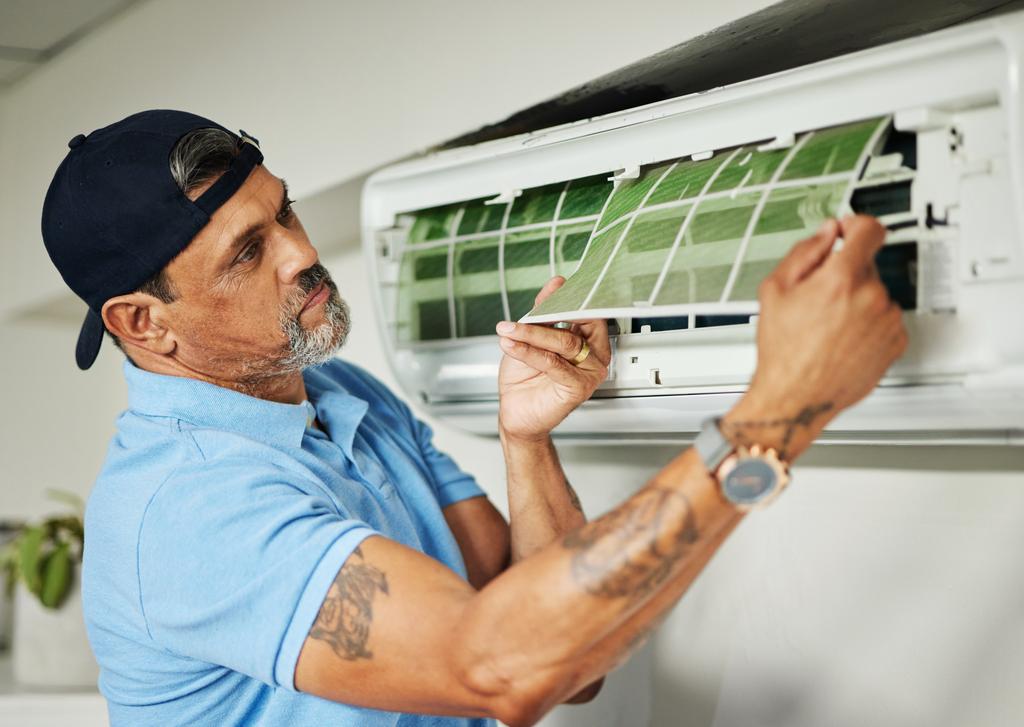
Consistent HVAC maintenance prevents small issues from becoming costly repairs, and picking the right HVAC contractor can make all the difference between a system that works smoothly for years and one that gives you headaches.
Seasoned pros know how to correctly size equipment, identify underlying problems, and prevent expensive mistakes during AC installation or heating repair. Licensing is essential in most locations because it demonstrates that the contractor has met state requirements for safety, regulations, and the proper management of refrigerants. Certifications such as NATE or EPA Section 608 demonstrate that they have gone the extra mile to stay up to date with the latest technology and best practices.
Start by checking online reviews. Get at least three detailed quotes for comparison and ask for references from recent jobs. One handy spot to find local pros is MerchantCircle – a directory that lists HVAC contractors in your area with reviews, contact info, and sometimes photos of their work.
Questions to Ask Before Hiring
- What type of warranty do you provide for the installation services and parts?
- Which brands do you recommend and why?
- Do you offer a maintenance plan, and what does it include?
- What is the anticipated timeline for installation?
Your Home Comfort Game Plan
A reliable HVAC system ensures your comfort throughout the year, helps you save on energy expenses, and can even improve your home's market value. Start by exploring your options, then focus on efficiency by looking for high SEER ratings, smart controls, and quality insulation.
Address minor issues promptly, keep the system in good condition, and find a trustworthy, licensed contractor for any needed repairs or replacements. Do these things right, and you will enjoy steady temperatures no matter what the weather throws at you. Cheers to staying comfy and saving a little extra!