Metal Roofing: Benefits, Costs, and Everything You Need to Know
Once used for industrial buildings and farmhouses, metal roofing has become one of the fastest-growing trends in residential construction. Metal roofing adoption in North America has increased by 14% over the last decade.
This ancient material has come a long way, continually improving over time. With its various colors, textures, and designs, it can be applied almost anywhere, from modern urban homes to coastal cottages.
These days, many homeowners are opting for metal roofs - and for good reason. Metal roofing offers a durable, energy-efficient, and low-maintenance solution that will serve you for ages.
Want to learn more about metal roofing? Here’s our quick guide covering everything you need to know about this type of roofing, from types to costs.
What Is Metal Roofing?
The roots of metal roofing date back to the early colonial era, when the first Anglican church in Pennsylvania, Christ Church in Philadelphia, was built with a metal roof. Later on, it was the only public building to survive the Great Fire of 1721, thanks to the high fire resistance of metal roofing.
A new type of metal roofing, the corrugated metal roof, became popular in the US in the late 19th century. Made from galvanized steel, this roofing was affordable and easy to install. It was used to cover everything, from barns to factories.
With the advancement of manufacturing technology in the 20th century, a wide range of metal roofing options appeared, including aluminium, steel, copper, and zinc. Over time, new metal roofing materials were introduced, made from recycled content and designed to resemble traditional roofing styles, broadening the range of available options.
Today, metal roofing has become an attractive choice for builders, used in both residential and commercial construction. This soaring popularity of metal roofing is driven by its longevity, durability, energy efficiency, and aesthetic appeal.
Types of Metal Roofing Materials
Steel Roofing
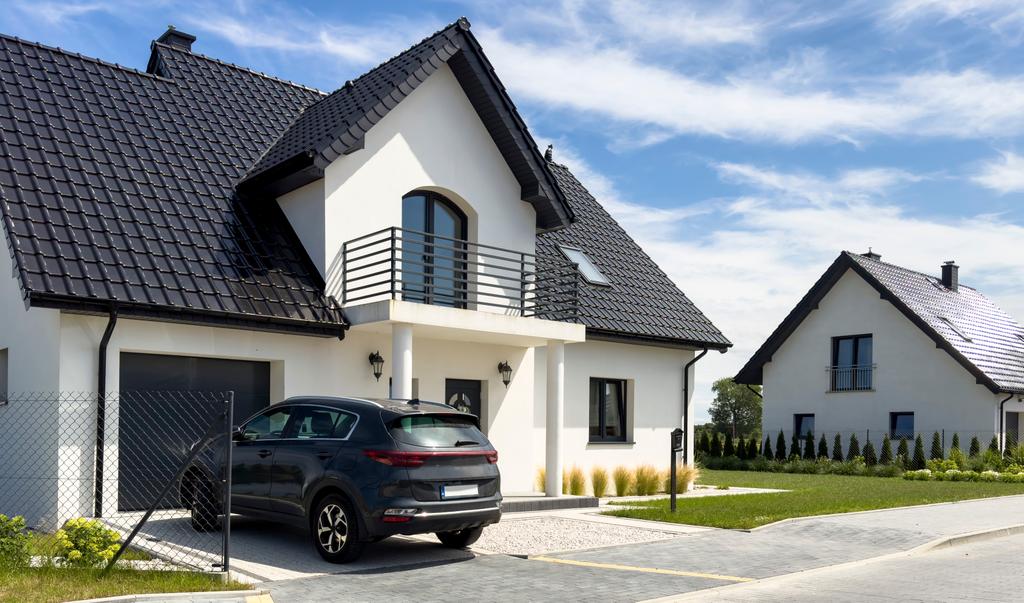
Made of carbon and iron, steel is one of the most solid and durable roofing materials. With a lifespan of at least 50 years, it perfectly stands up to the elements. Steel roofing is eco-friendly, affordable, and long-lasting. You can find galvanised steel, stainless steel, or coated steel in the market.
Aluminum Roofing
A great roofing option in coastal areas is aluminum. A popular alternative to steel, aluminum doesn’t contain iron, is rust-resistant, and has a lifespan of 50-70 years. This roofing material is lightweight yet strong. It’s energy-efficient, keeping buildings cooler in the summer due to its reflective features, and is fully recyclable, making it ideal for eco-conscious projects.
Copper Roofing
This extremely long-lasting material is highly resistant to fire, mildew, and hail. Copper is a lightweight construction material and has minimal pressure on the building’s structural system. Developing a green patina over time, it elevates the roof’s aesthetic appeal and promotes the property’s overall style. Copper tends to be one of the expensive roofing materials.
Zinc Roofing
Another low-maintenance, eco-friendly, and long-lasting roofing material is zinc. A chemical element, zinc is usually used for steel galvanising, but it’s also applied as a premium building material. Highly weather-resistant, zinc is a perfect option for hot and cold climates. Its elegant grey color darkens and develops a patina over time, enhancing the building’s aesthetics.
Tin Roofing
Although no longer a commonly used roofing material, tin remains cost-effective, low-maintenance, and durable. Tin roofing refers to tin-coated steel, which is anti-corrosive and prevents rust. Tin roofs were popular in commercial and residential applications before the appearance of asphalt shingles in the early 20th century.
Pros and Cons of Metal Roofing
Advantages
- Longevity. Metal is a winner for long-term application, lasting from 40 to 70 years.
- Low-maintenance. Occasional check-ups and cleaning are all that your metal roof needs to be in top condition.
- Energy-efficiency. Metal roofs reflect solar heat, keeping your building cool and reducing your energy costs.
- Weather resistance. Metal roofing provides unmatched protection, withstanding high winds, torrential rains, and heavy snows.
- Recyclability. Most roofing metals are 100% recyclable, making them an excellent option for eco-conscious homeowners.
- Style Variety. With a wide range of styles, finishes, and colours, metal roofs can fit any aesthetic needs, from sleek to traditional.
- Easy installation. Metal roof materials are lightweight, making installation and the overall roofing project easy and quick.
Disadvantages
- Expensive cost. Compared to traditional roofing materials, metal roofing may have a higher initial price, but its longevity and low maintenance offset it.
- Deformation. Some metal materials may contract or expand depending on temperature changes and require a special installation allowing these changes without damage.
- Noise. Metal roofing materials are known to be noisier than other roof options, especially in rain or hail storms.
- Heat absorption. In hot climates, metal materials can absorb heat, which makes the building even hotter and increases cooling costs.
Metal Roofing Styles and Design Options
Modern architecture features open spaces, clean lines, and simple materials. Moreover, a modern roof is more than a look; it needs to perform. Metal roofs, offering a combination of form and function, are highly suitable for the exteriors of today’s buildings. Let’s see what styles and designs metal roofing offers.
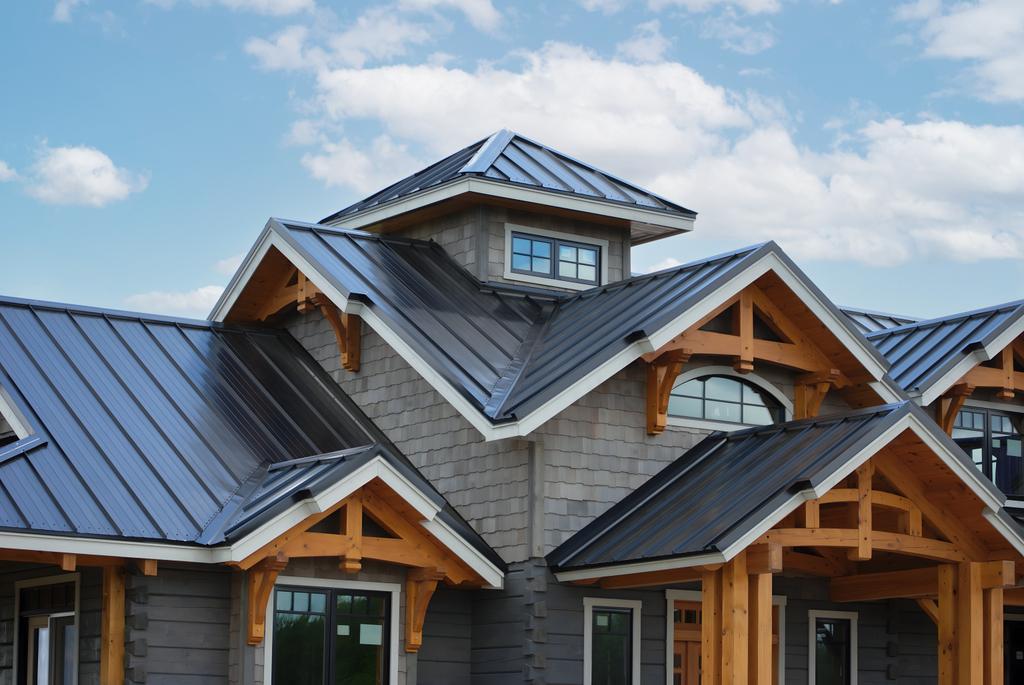
Standing seam metal roofs. One of the most popular roof styles, standing seam roofing, consists of long vertical panels. The panel edges are interlocked with hidden fasteners, creating sharp lines and reducing the risk of leaks. The hidden fasteners allow the metal to expand and contract with temperature fluctuations, keeping the roof in place.
Metal shingles. This type of roofing offers the refined look of natural materials, combining style with resilience. The three-dimensional texture of metal shingles replicates wood shakes or asphalt shingles without the added weight. Plus, metal shingles don’t absorb moisture, resisting mildew and outlasting organic materials in longevity.
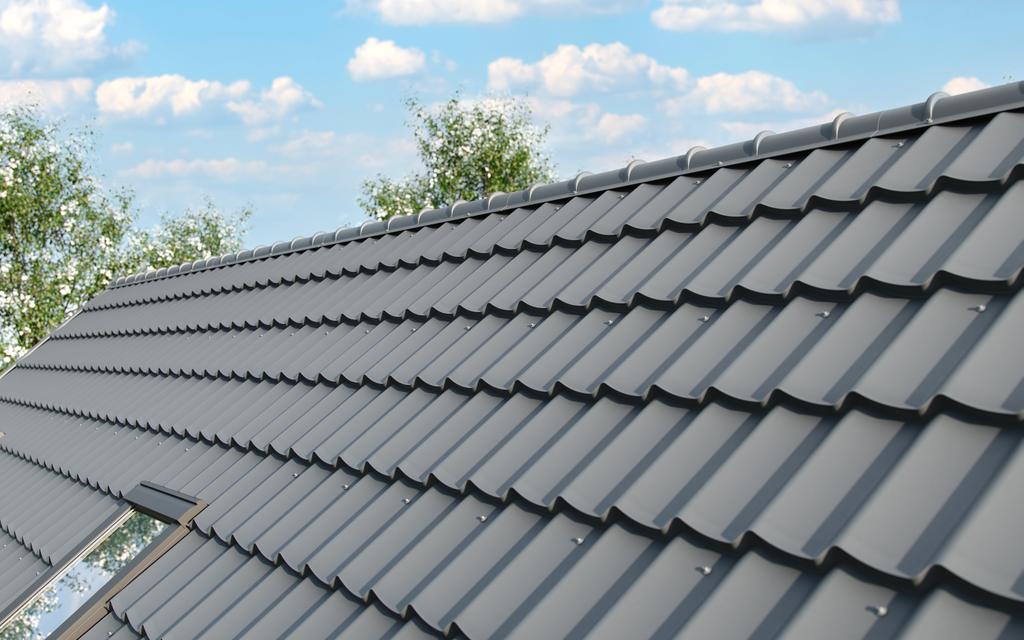
Metal tiles and shakes. Designed to mimic the appearance of authentic materials, metal tiles and shakes can be used to create a personalized design that can fit any architectural style. Known for their durability, these materials combine the charm of wood, ceramic, or clay with the unmatched functionality of metal.
How Much Does a Metal Roof Cost?
Before starting your roofing project, it’s important to do a thorough budgeting to avoid unexpected problems down the road. Here are approximate price ranges for an installed metal roof per square foot:
- Steel galvanized: $1.50- $3.50 per square foot.
- Steel painted: $2.00- $4.00 per square foot.
- Copper: $13-$25 per square foot.
- Zinc: $13-$25.00 per square foot.
- Aluminum: $3.50- $6.50 per square foot.
The total metal roof cost may vary greatly as it depends not only on prices for materials but also on additional cost factors, including:
- Labor: Around 60% of your total roof cost covers the required labor and the associated expenses, like equipment and scaffolding.
- Location: Costs may also differ based on locations; the higher the cost of living in your area, the higher the roofing prices tend to be.
- Size and complexity: Another factor that determines the amount of materials, labor, and required time is the square footage of the roof.
- Roof pitch: The roof’s steepness is also an important step to consider. The steeper your roof, the higher the labor cost.
Compared to other popular materials, such as asphalt shingles, metal roofs may seem more expensive. However, longevity and low maintenance will save you money in the long run.
Metal Roofing vs. Asphalt Shingles
Metal and asphalt are two popular roofing materials. Asphalt roofing is more affordable and easier to install. Metal roofs are eco-friendly, low-maintenance, and durable.
Asphalt roofs have a 15-30 year warranty and are vulnerable to moisture and humidity. Heavy rains or long-lasting ice can lead to cracks or algae growth. Drastic temperature shifts can also shorten the lifespan of the asphalt roofing.
On the other hand, metal roofs cost more upfront, as already mentioned, but their ROI is also higher. Metal roofs boast a 30-50 year warranty, and they can even hold up for 40-70 years.
The maintenance for both types of roofing depends on the climate conditions and the way the roof was installed. Asphalt shingles may require more attention, but these roof problems are fairly easy to fix, such as removing moss or debris.
Metal or asphalt? Either way, the final decision is still yours. Just keep in mind that while metal roofing may cost a bit more upfront, it pays off with long-term savings and lasting results.
Installation and Maintenance Considerations
When it comes to installing a new roof, it’s important to have a professional installation to ensure the safety and longevity of your roof. This is especially true in the case of metal roofing, as it requires precise and difficult effort. Here are some of the benefits of hiring a professional roof installer.
Excellent quality. The extensive skills and experience of a professional roofer ensure quality that will last for decades.
Cost-effective. Many homeowners believe they can save money by doing DIY metal roof installation. However, contractors can obtain materials at a relatively low cost, and they have all the necessary tools you would have to pay for.
Guarantees. Contractors provide a roof guarantee of 10 to 30 years, giving you peace of mind and many years to enjoy your roof.
Metal roofs are durable and long-lasting, but they won’t serve their full time if not taken care of properly. We recommend the following maintenance tips:
- Annually inspect your roof.
- Clean out its surface of any debris or dirt.
- Keep the gutters clean.
- Inspect after storms.
- Remove heavy snow.
Finding the Right Contractor for Metal Roofing
Thinking about how to install metal roofing? Find a trusted roofing contractor. Here are some steps to make your search and hiring process easier.
- Ask around and search the internet to make a list of contractors.
- Interview several contractors.
- Make sure they are licensed and insured.
- Check references and portfolio of previous works.
- Ask for a reference from recent jobs.
In addition, to have an even clearer picture, you can ask the following questions:
- How long have you been installing roofing?
- What warranty can I have on materials and the project?
- How many roofing projects have you completed?
- Do you have experience in doing this type of roofing?
Still having a hard time finding a reputable and trustworthy roofing contractor? Here’s a tip. Visit MerchantCircle.com to hire a local professional who’ll take care of your roof and give your property long-lasting safety.
Final Thoughts
Metal roofing is widely applied in residential and commercial construction due to its longevity, easy maintenance, and aesthetic appeal. Despite initial higher costs, this type of roofing becomes a significant financial investment for your property.
Finally, consider your needs and preferences before deciding to ensure the roofing type meets your long-term goals. If you’re looking for a solution that withstands the elements and keeps your home safe, metal roofing is a perfect choice.